Our Process

From Feasibility to Installation — A Structured Modular Delivery Process

Nova Deko delivers projects through a coordinated, end-to-end process integrating design, manufacturing and construction. Each stage is structured to reduce risk, improve predictability and ensure alignment between factory production and site delivery.


A Controlled, End-to-End Delivery Framework

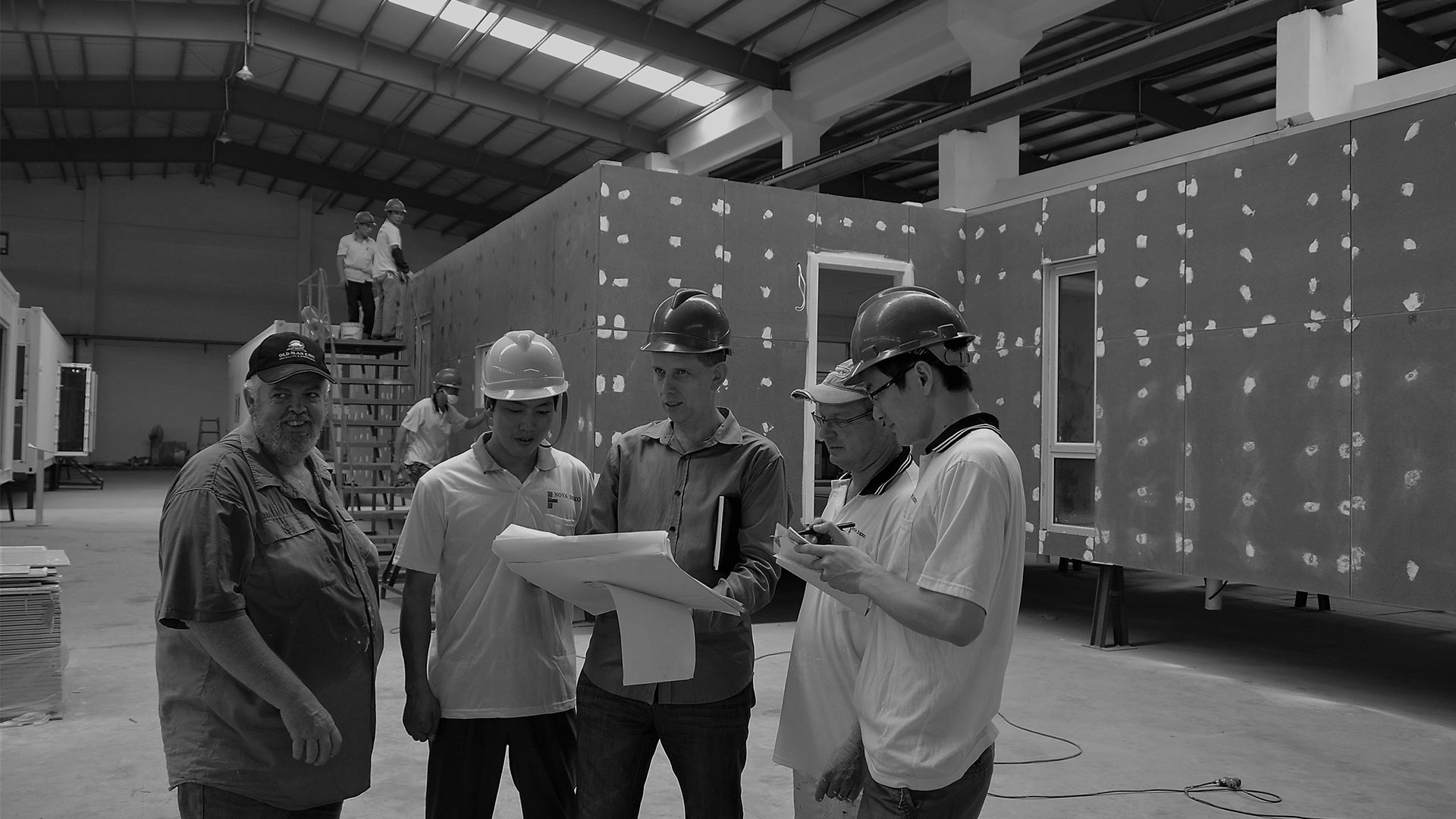
Our modular process is designed to align all project stakeholders—developers, architects, engineers and contractors—into a single coordinated workflow.

Unlike traditional construction, where activities are sequential, our process enables parallel progress between design, manufacturing and site preparation, reducing overall programme duration.

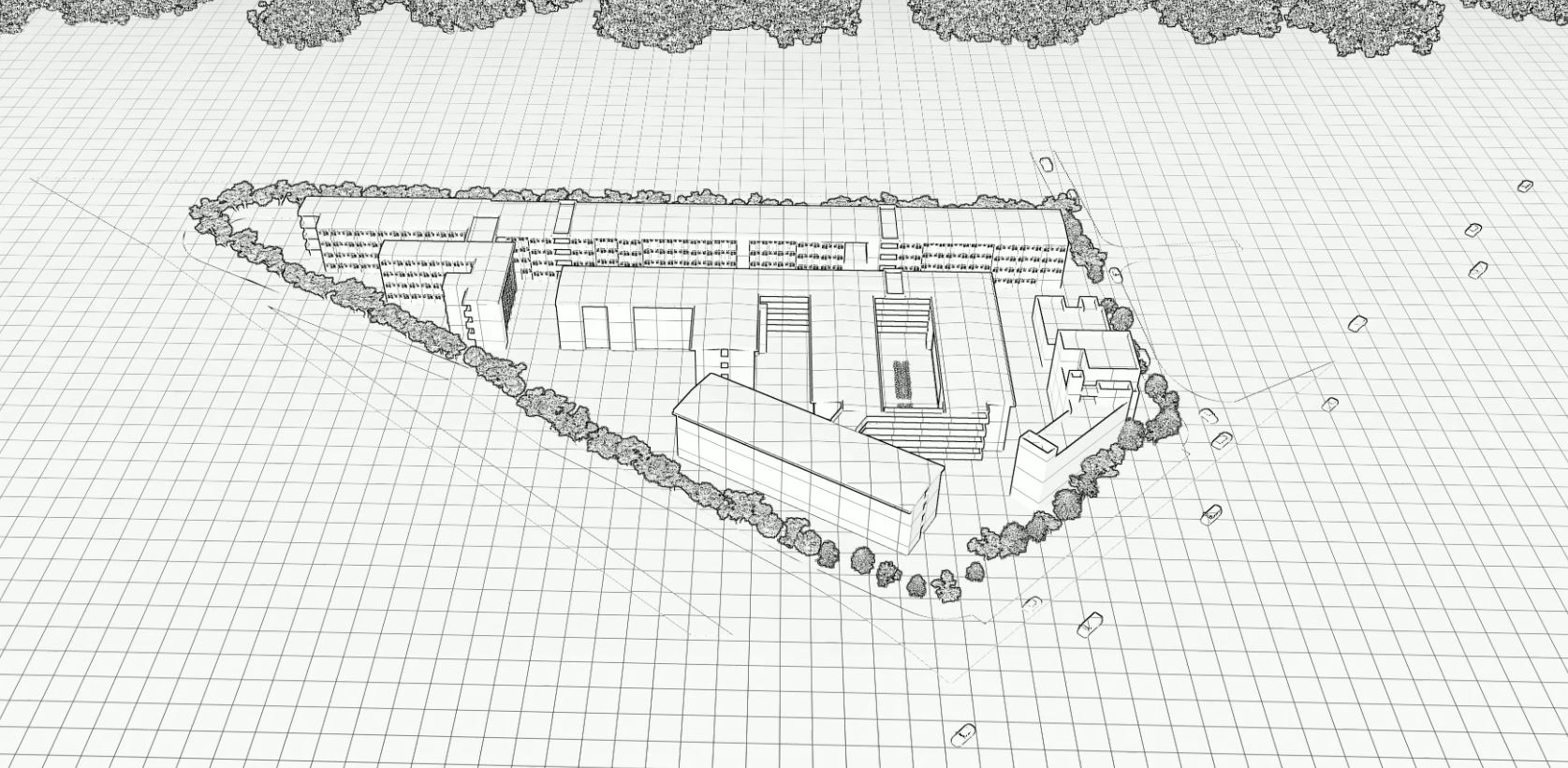
Early-Stage Assessment for Modular Suitability

We engage at the earliest stage to assess project viability and define a modular strategy aligned with site and project requirements.

Key activities:

  • Site constraints review (access, transport, cranage)
  • Planning and regulatory considerations
  • Preliminary layout and module configuration
  • Feasibility of module sizes and logistics
  • Budget alignment and programme strategy

Outcome:

A clear modular approach defining how the project will be delivered, including constraints, opportunities and high-level timelines.

Integrated Architectural and Engineering Design

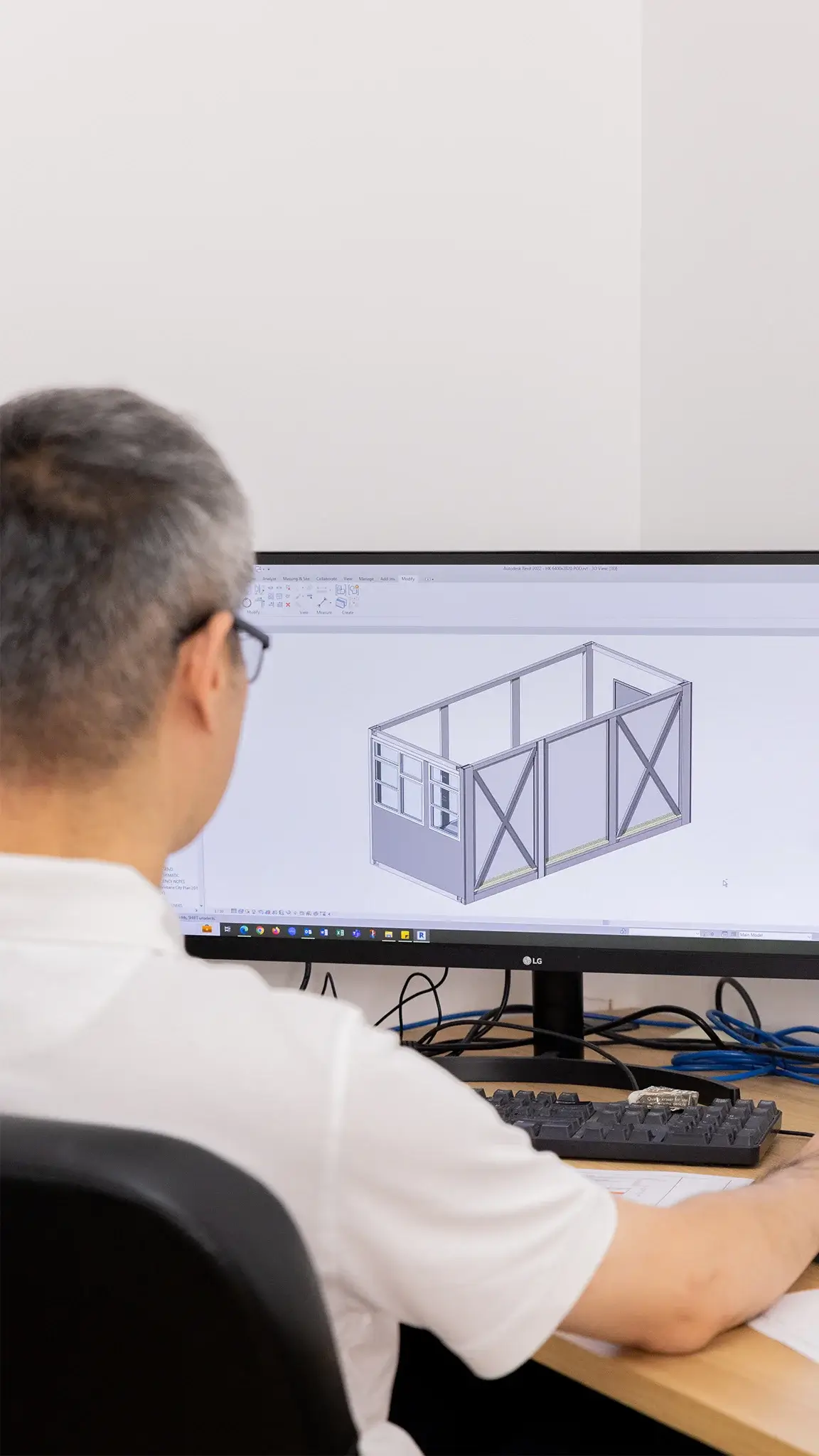
The project is developed through coordinated collaboration between architects, engineers and our modular design team.

Key activities:

  • Architectural layout optimisation for modular construction
  • Structural system integration and load path design
  • MEP coordination within module constraints
  • Façade and external system development
  • Compliance with local codes and standards

Key focus:

Design for Manufacture and Assembly (DfMA), ensuring all elements are optimised for factory production and efficient installation.

Outcome:

Fully coordinated design documentation ready for production.

Controlled Offsite Manufacturing

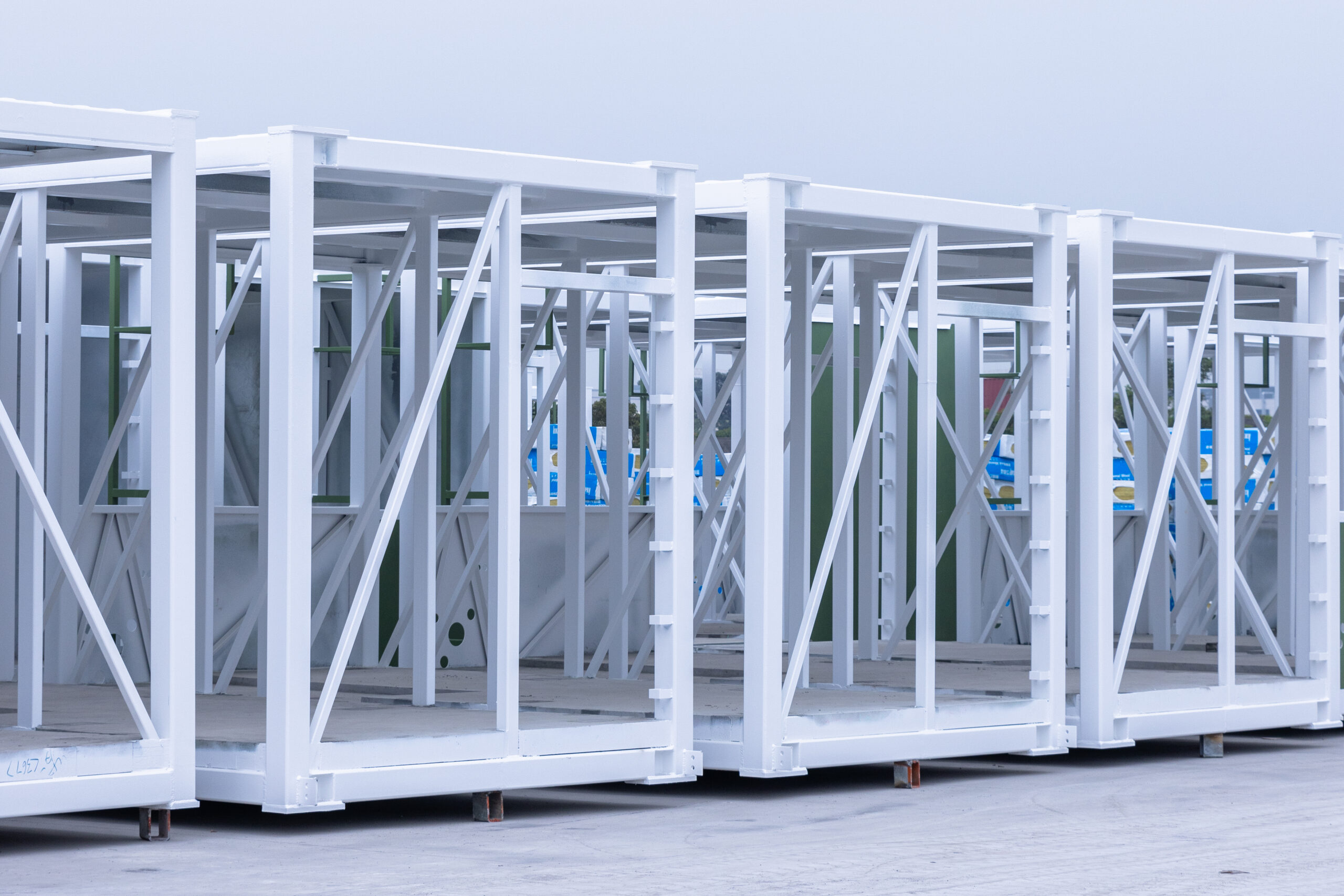
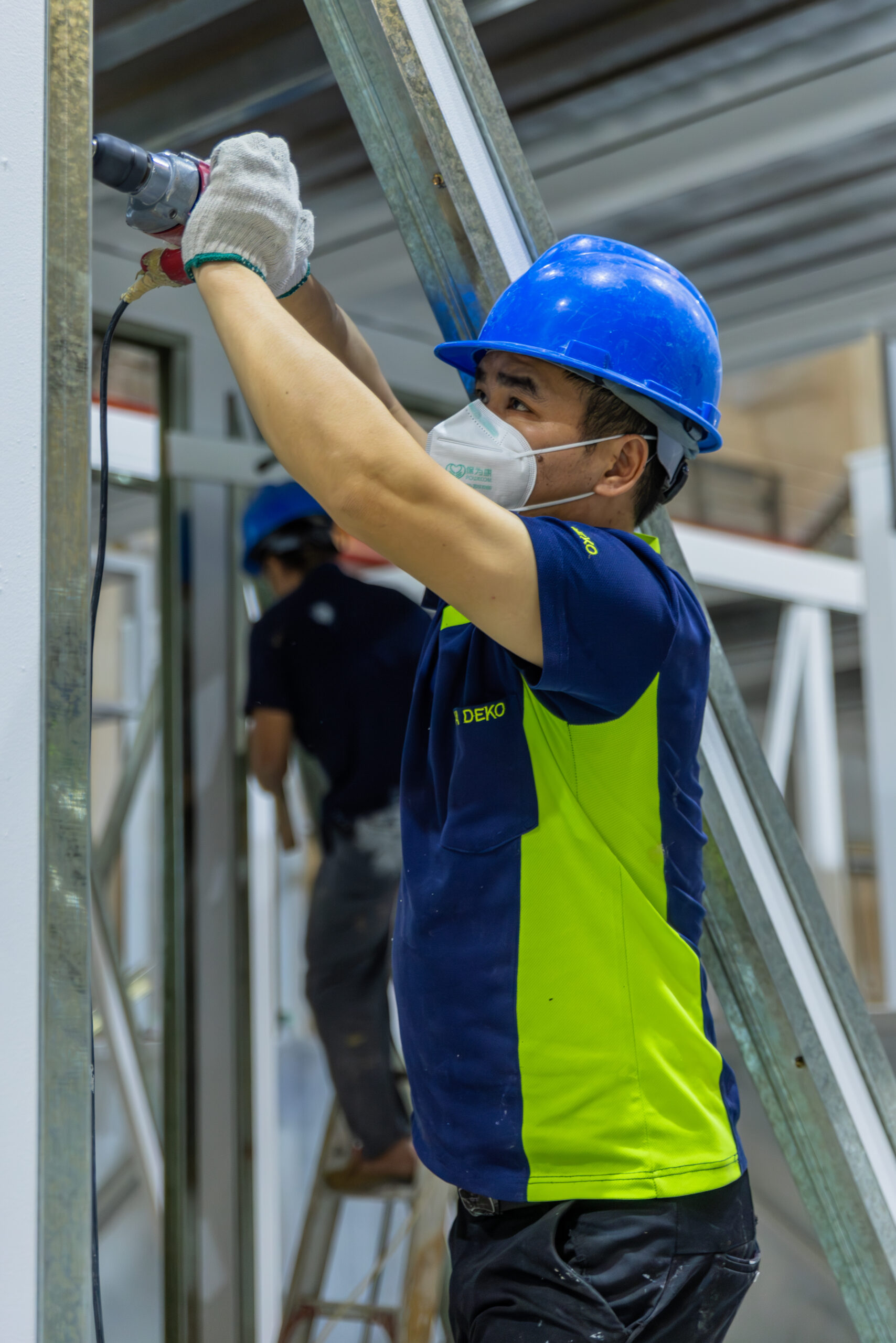
Modules are manufactured in a factory environment under controlled conditions, enabling consistent quality and reduced variability.

Key activities:

  • Structural frame fabrication
  • Internal wall, floor and ceiling systems installation
  • MEP installation (electrical, plumbing, HVAC)
  • Joinery, fixtures and finishes
  • Stage-by-stage QA/QC inspections

Advantages:

  • Reduced weather-related delays
  • Improved workmanship consistency
  • High level of pre-completion before delivery

Outcome:

Fully assembled volumetric modules ready for transport.

Planned Logistics and Delivery Sequencing

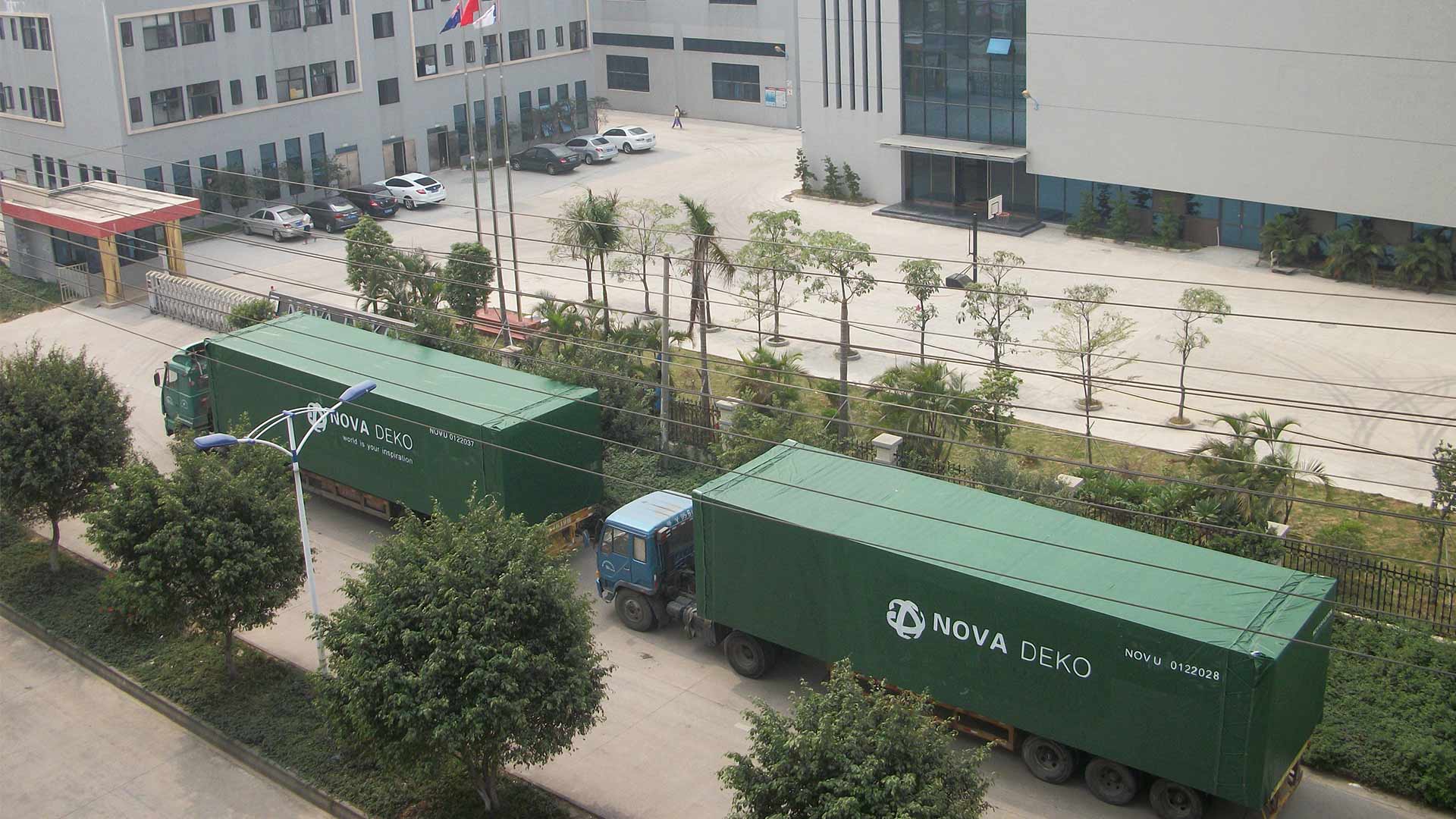
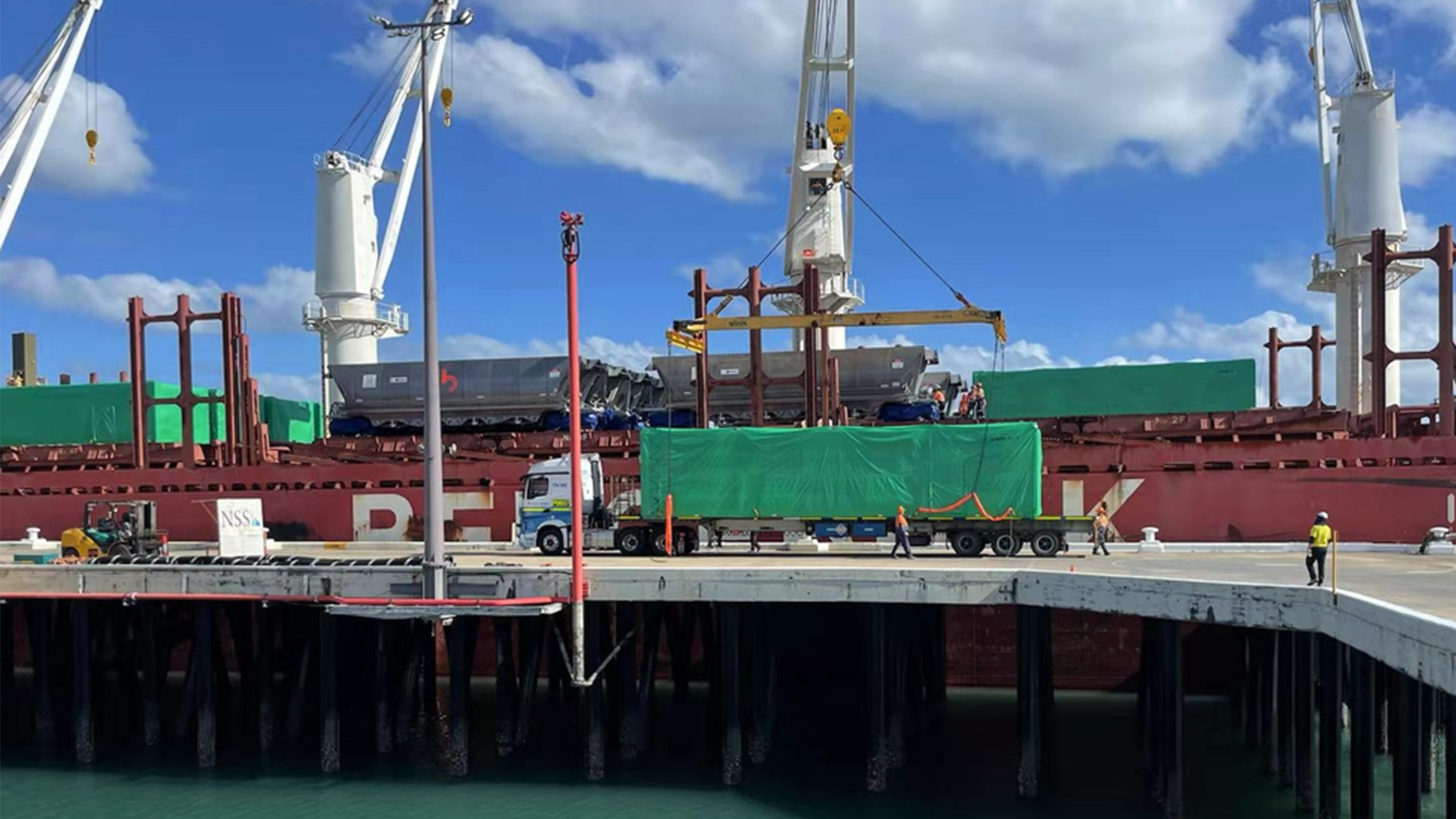
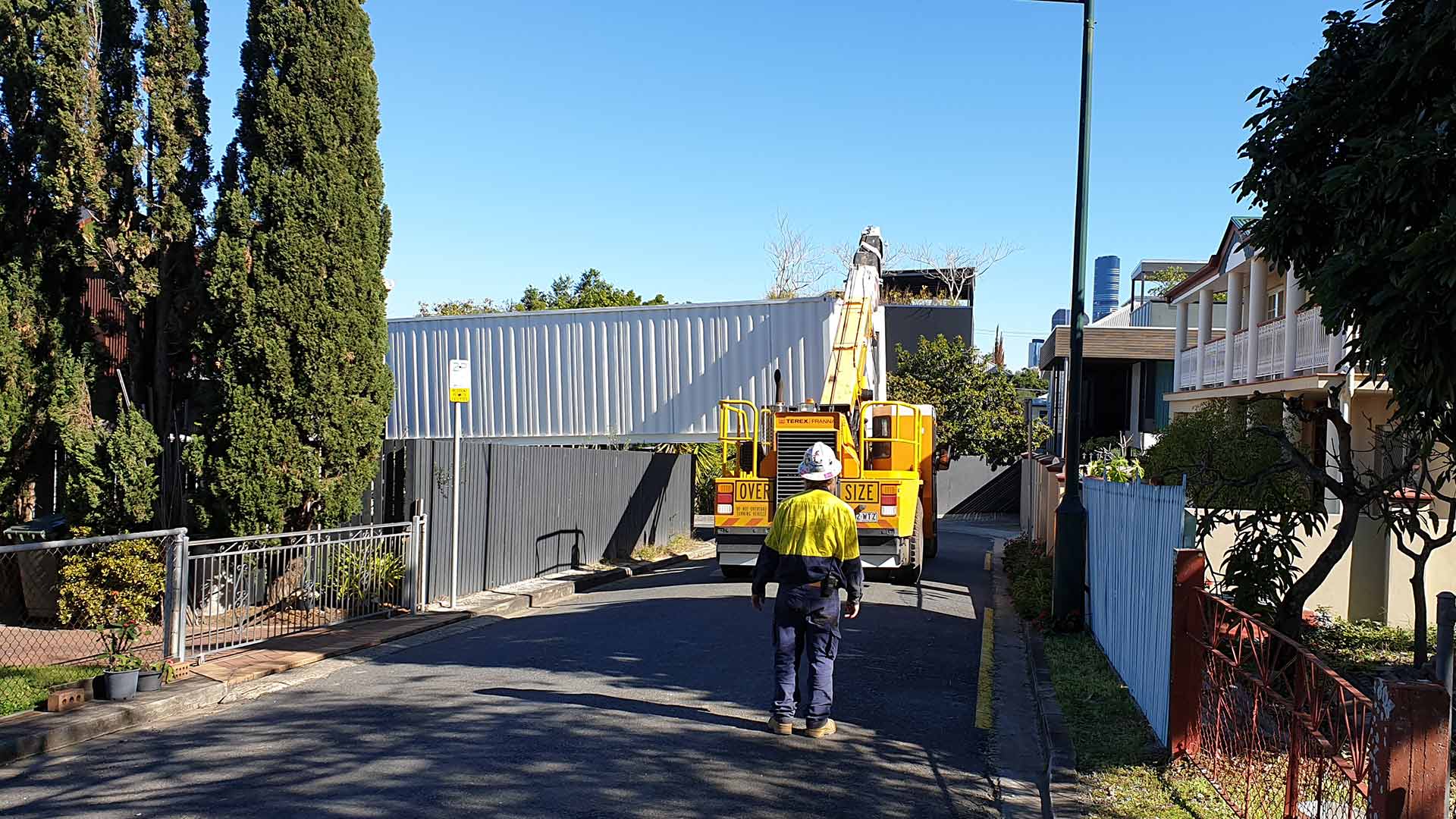
Modules are transported to site using coordinated logistics planning aligned with site readiness and installation sequence.

Key considerations:

  • Transport regulations and route planning
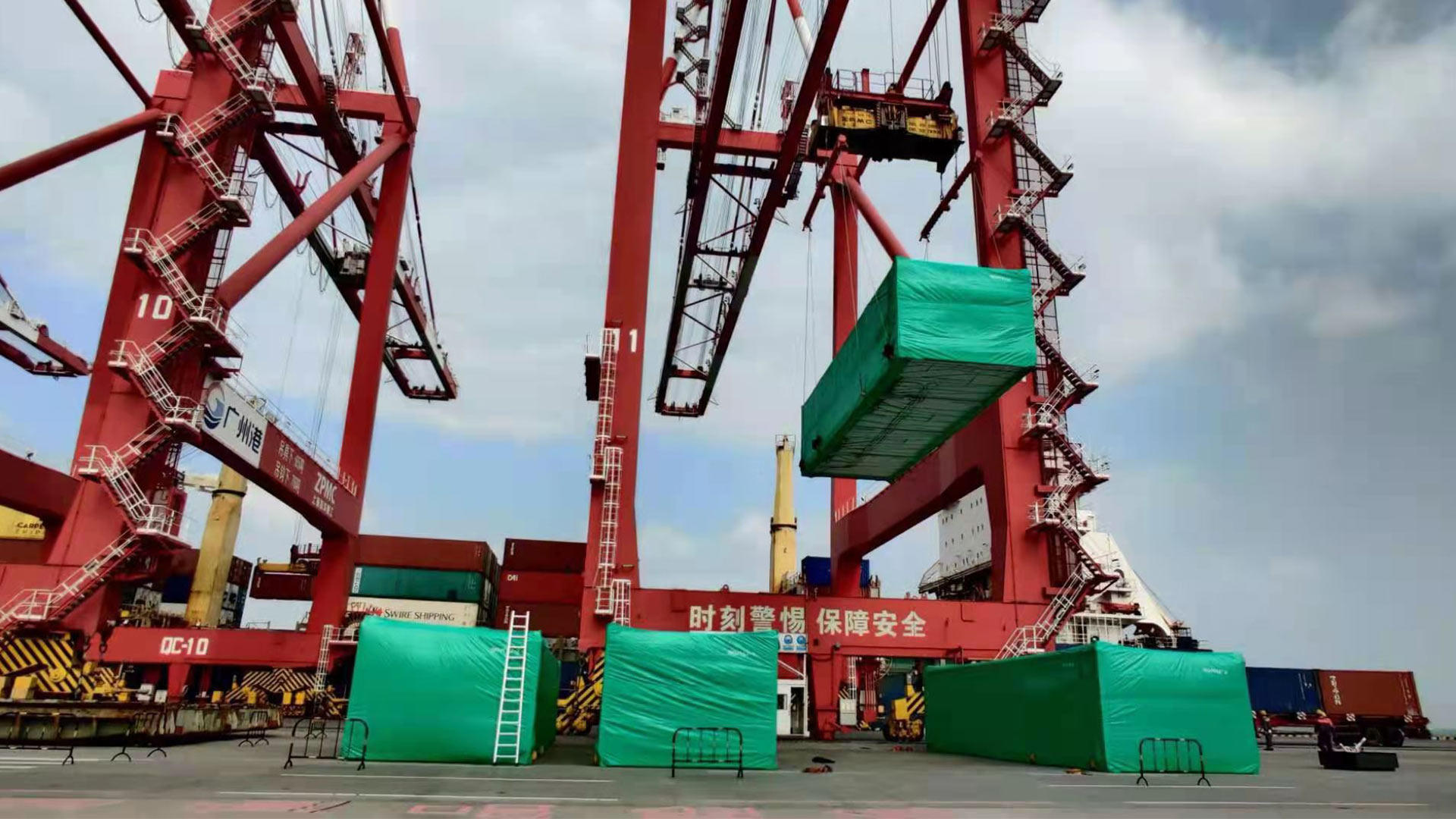
  • Module protection and packaging
  • Delivery sequencing and staging
  • Site access and crane positioning

Outcome:

Modules arrive onsite in the correct order to support efficient installation.

Rapid Onsite Assembly

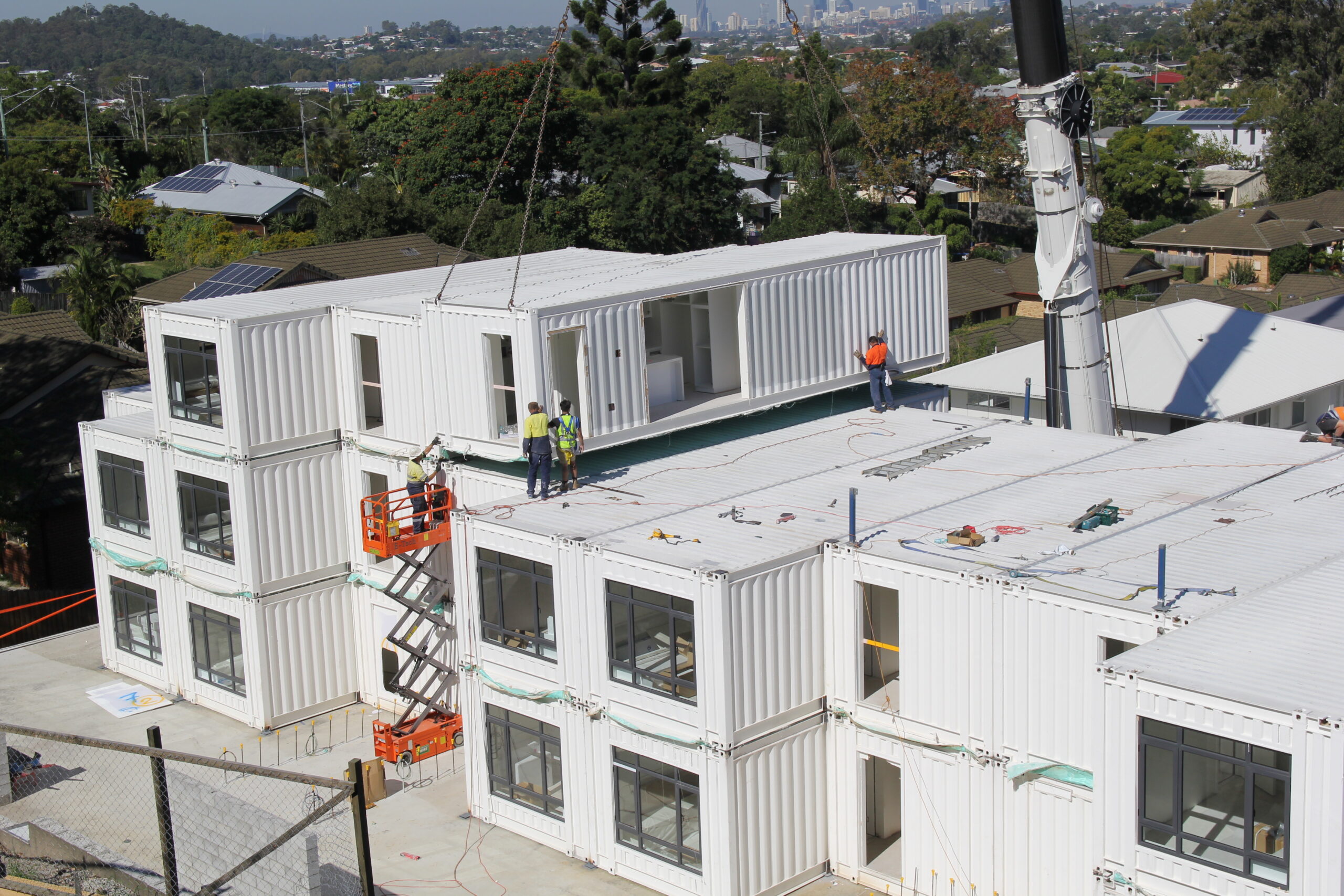
Modules are installed using crane lifting and connected to form the completed building structure.

Key activities:

  • Crane lifting and placement of modules
  • Structural connections between modules
  • Weatherproofing and sealing
  • Connection of services between units
  • Final finishing and commissioning

Key advantage:

Significant reduction in onsite construction time compared to traditional methods.

Outcome:

Completed building with reduced disruption and accelerated delivery.